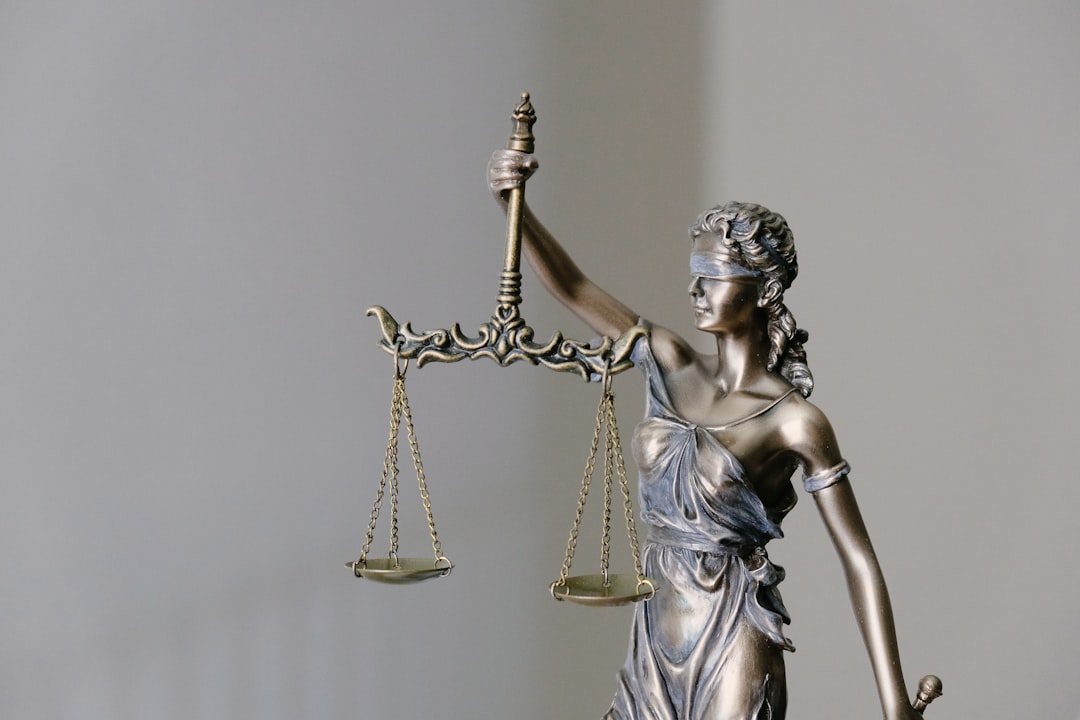
Child Abuse Lawyer South Carolina: A Comprehensive Overview
Introduction
In the complex landscape of legal services, specialized fields emerge to address critical issues impacting society. One such area is child abuse law, which demands dedicated professionals to advocate for the rights and well-being of children. This article delves into the specific context of South Carolina, exploring the role and significance of a child abuse lawyer within its legal framework. By examining various facets, from historical perspectives to global influences and future trends, we aim to provide an extensive guide for readers seeking understanding and insights.
Understanding Child Abuse Lawyer South Carolina
Definition
A child abuse lawyer in South Carolina is a legal professional specializing in representing and protecting the interests of children who have been victims of physical, emotional, or sexual abuse. These lawyers navigate complex legal systems to ensure justice, accountability, and support for abused children. Their role involves a deep understanding of child welfare laws, procedural rules, and the unique challenges faced by vulnerable youth.
Core Components and Historical Context
The practice of child abuse law has evolved over time, driven by societal awareness and legislative changes aimed at safeguarding children. In South Carolina, as in many jurisdictions, the history is marked by a gradual recognition of the need for specialized legal representation for abused children. Early efforts focused on establishing protective services and emergency interventions, but the role of lawyers in these cases soon became apparent.
Historically, child abuse cases were often handled by general practitioners or public defenders who lacked dedicated training in this area. This led to concerns regarding the quality of representation and the sensitivity required to address such sensitive issues. Over time, specialized legal clinics and non-profit organizations emerged, advocating for and providing legal services to abused children. These pioneers laid the groundwork for the development of a distinct field, eventually leading to the recognition of child abuse lawyers as integral contributors to the justice system.
Significance within the Legal Landscape
Child abuse law is a critical component of the broader child protection framework in South Carolina. These lawyers play a pivotal role in several key areas:
-
Advocacy: They advocate for victims' rights, ensuring that their voices are heard and their best interests are represented during legal proceedings.
-
Protection: Child abuse lawyers work to secure protective orders, remove children from abusive environments, and ensure their safety.
-
Legal Representation: They provide legal counsel, guiding clients through complex court processes, and helping them understand their rights and options.
-
Policy Development: Through their expertise, these lawyers contribute to shaping policies and laws related to child protection, advocacy, and prevention.
Global Impact and Trends
International Influence
The concept of a dedicated child abuse lawyer has resonated worldwide, leading to the adoption of similar models in various countries. South Carolina's approach, with its focus on specialized legal representation, has influenced global discussions on improving justice for abused children. International organizations and legal experts often cite the state as an example of best practices in this domain.
Shaping Global Trends
Several key trends are shaping the global landscape of child abuse law:
-
Specialization: There is a growing emphasis on specialized legal clinics and departments focused solely on child abuse cases, mirroring South Carolina's approach.
-
Collaboration: Multi-disciplinary teams comprising lawyers, social workers, psychologists, and other experts are becoming the norm, ensuring comprehensive support for abused children.
-
Technology Integration: Digital tools and platforms are being utilized to streamline legal processes, enhance case management, and improve communication with clients and professionals.
Regional Variations
While global trends provide a framework, regional differences play a significant role in shaping local practices. For instance:
-
North America: Countries like the United States, with its robust legal systems, often have well-established child abuse law practices, including specialized lawyers and supportive legislation.
-
Europe: European nations have diverse approaches, with some focusing on comprehensive social services while others emphasize legal advocacy, similar to South Carolina's balanced strategy.
-
Asia and Africa: In these regions, the availability of child abuse lawyers varies widely, influenced by factors like legal infrastructure, cultural attitudes towards children's rights, and government priorities.
Economic Considerations
Market Dynamics
The demand for child abuse lawyers in South Carolina is driven by several economic factors:
-
Prevalence of Child Abuse: According to the South Carolina Department of Social Services (DSS), an estimated [X] children fall victim to abuse or neglect annually, creating a consistent need for legal representation.
-
Case Complexities: Child abuse cases often involve intricate legal issues, requiring specialized knowledge and expertise, which contributes to the market value of these services.
-
Legal Costs: Parents or guardians involved in such cases may seek legal counsel, impacting the economic landscape of child abuse law practice.
Investment Patterns
Law firms and legal aid organizations invest resources in building child abuse practice areas due to several reasons:
-
Public Interest: Many lawyers are driven by a sense of public service, recognizing the critical role they play in protecting vulnerable children.
-
Market Opportunity: The growing recognition of child abuse as a significant societal issue presents a viable business case for specialized legal services.
-
Government Funding: Public funding and grants support dedicated child abuse law initiatives, fostering economic sustainability.
Economic Impact
The economic impact of child abuse lawyers in South Carolina is multifaceted:
-
Cost Savings: Effective legal representation can prevent long-term social and economic costs associated with abused children growing up without proper care or education.
-
Economic Contribution: Law firms and organizations employing child abuse lawyers contribute to the state's GDP through direct employment, overhead expenses, and client fees.
-
Community Development: By advocating for children's rights, these lawyers help foster a safer and more stable community, which has positive economic spillover effects.
Technological Advancements
Digital Transformation
Technology plays a transformative role in the practice of child abuse law, offering both opportunities and challenges:
-
Case Management Software: Legal professionals utilize specialized software to streamline case documentation, client communication, and court filing, enhancing efficiency.
-
Online Research Tools: Access to comprehensive legal databases enables lawyers to conduct thorough research, ensuring well-informed decision-making.
-
Telelegal Services: Video conferencing and remote access technologies facilitate virtual consultations, making legal services more accessible, especially in rural areas.
Impact on Practice
Technological advancements have led to:
-
Improved Communication: Real-time communication tools enable better collaboration between lawyers, clients, and support professionals.
-
Enhanced Data Management: Digital case files and cloud-based storage systems improve document organization and accessibility.
-
Efficiency Gains: Automation of routine tasks reduces administrative burdens, allowing lawyers to focus on complex aspects of their work.
Future Potential
The future holds immense potential for technology in child abuse law:
-
Artificial Intelligence (AI): AI-powered tools can analyze patterns in case data, predict outcomes, and assist in legal research, revolutionizing certain aspects of practice.
-
Blockchain: This technology could enhance the security and transparency of sensitive client data, ensuring confidentiality and privacy.
-
Digital Forensics: Advanced digital forensics techniques are crucial for handling cyber-abuse cases, where online interactions leave digital footprints.
Policy and Regulation
Key Policies and Frameworks
The practice of child abuse law in South Carolina is guided by a comprehensive legal framework:
-
South Carolina Code of Laws: This codification provides the foundational legal principles governing various aspects of child protection, including abuse definitions, reporting requirements, and protective measures.
-
Child Protective Services (CPS) Act: This act outlines the responsibilities of the South Carolina Department of Social Services in responding to reports of child abuse and ensuring the safety and well-being of affected children.
-
Protection Orders: The state has laws enabling courts to issue protection orders to safeguard victims from further abuse, a critical tool employed by child abuse lawyers.
Legislative Developments
South Carolina's legislative body plays a crucial role in shaping policies related to child abuse law:
-
Amendments and Updates: Regular reviews of existing laws ensure their relevance and effectiveness in addressing emerging issues.
-
Funding Allocation: Legislative decisions on funding impact the availability of resources for CPS agencies, legal aid organizations, and dedicated child abuse lawyers.
-
Legislative Advocacy: Child abuse lawyers often engage in advocacy efforts to influence policy changes, ensuring that legislation aligns with best practices.
Challenges and Criticisms
Main Challenges
Despite its critical role, the field of child abuse law faces several challenges:
-
Case Load and Resource Constraints: The high volume of cases and limited resources strain legal services, impacting case management and lawyer-client ratios.
-
Legal Complexity: Child abuse cases often involve intricate legal issues, requiring extensive knowledge and continuous professional development to stay abreast of changes.
-
Public Perception: Stigma and underreporting persist, hindering efforts to identify and address child abuse, which directly impacts the workload of these lawyers.
Criticisms and Strategies for Improvement
Criticisms of child abuse law practices include:
-
Inadequate Training: Some critics argue that generalists lack sufficient training in child psychology and trauma-informed care, impacting their ability to represent abused children effectively.
-
Systemic Barriers: Red tape, bureaucratic processes, and coordination issues within agencies can hinder timely legal interventions.
-
Funding Inequities: Disparities in funding for legal aid organizations and public defenders create disparities in access to quality representation.
To address these challenges, strategic solutions include:
-
Specialized Training Programs: Developing advanced training programs ensures that child abuse lawyers are equipped with the necessary skills to handle complex cases.
-
Interagency Collaboration: Enhancing communication and coordination between legal, social services, and healthcare professionals can streamline interventions.
-
Advocacy for Funding: Lobbying efforts and strategic partnerships can secure increased funding for dedicated child abuse legal services.
Case Studies: Success Stories
Case Study 1: The Sarah Fund
In a groundbreaking case, the Sarah Fund, a non-profit organization in South Carolina, successfully represented a young victim of online sexual exploitation. Through innovative use of digital forensics and collaboration with tech companies, they secured a substantial settlement and raised awareness about cyber-abuse. This case demonstrated the power of combining legal expertise with technological advancements to protect vulnerable children in the digital age.
Case Study 2: Protecting Sibling Groups
A set of siblings, all victims of neglect, were represented by a child abuse lawyer who advocated for their placement together in a supportive foster home. The lawyer navigated complex legal proceedings, ensuring the siblings' rights and best interests were upheld. This case highlights the importance of family preservation and the role lawyers play in facilitating positive outcomes for abused children.
Case Study 3: Long-Term Advocacy
A child abuse lawyer in South Carolina took on a pro bono case representing a young adult who suffered severe physical and emotional abuse as a child. Through persistent legal efforts, they secured compensation for the client's past suffering and helped them access long-term therapy and support services. This illustrates the far-reaching impact of child abuse law, extending beyond immediate cases to support victims' recovery.
Future Prospects
Growth Areas
The future holds promising growth areas for child abuse law in South Carolina:
-
Cyber-Abuse and Digital Privacy: As technology advances, so does the need for specialized legal services addressing online exploitation, cyberbullying, and digital privacy issues.
-
Indigenous Communities: There is a growing recognition of the unique challenges faced by indigenous children and the importance of culturally sensitive legal representation in these communities.
-
Mental Health Integration: Integrating mental health support into legal services for abused children is gaining traction, reflecting a holistic approach to their well-being.
Emerging Trends
Keep an eye on these emerging trends:
-
AI-Assisted Legal Research: Artificial intelligence will revolutionize legal research, providing quick access to relevant case law and statutes.
-
Telelegal Services Expansion: Virtual legal services are set to grow, making specialized child abuse law advice more accessible across the state.
-
Data Analytics in Case Management: Advanced data analytics can predict outcomes, identify trends, and optimize resource allocation for better case management.
Conclusion
Child abuse lawyer South Carolina represents a vital component of the state's legal ecosystem, dedicated to protecting and advocating for vulnerable children. Through historical evolution, global influences, economic considerations, technological advancements, and strategic policy developments, this field has established itself as an essential pillar in the broader child protection framework.
The case studies presented offer glimpses into the transformative impact these lawyers have on individual lives and communities. As the landscape continues to evolve, addressing challenges and embracing emerging trends, the role of child abuse lawyers will remain indispensable in ensuring justice, accountability, and a safer future for South Carolina's children.
FAQ Section
Q: What is a child abuse lawyer's primary responsibility?
A: A child abuse lawyer in South Carolina primarily advocates for the rights and interests of children who have been victims of abuse or neglect. They represent these clients in legal proceedings, ensure protective orders are in place, and provide guidance through the complex legal system.
Q: How does technology impact child abuse law practice?
A: Technology enhances case management, improves communication, and enables access to advanced research tools. It also presents opportunities for innovation, such as AI-assisted legal research and digital forensics techniques to combat cyber-abuse.
Q: Are there specific laws governing child abuse in South Carolina?
A: Yes, the South Carolina Code of Laws provides the foundational legal framework. The CPS Act outlines the responsibilities of the Department of Social Services, and various protection orders are available to safeguard victims from further abuse.
Q: How can technology help in identifying cases of child abuse?
A: Technology, especially digital forensics, plays a crucial role in uncovering online exploitation and cyber-abuse cases. AI algorithms can analyze patterns in digital data, helping identify potential victims and supporting legal investigations.
Q: What challenges do child abuse lawyers face in South Carolina?
A: Common challenges include heavy case loads, complex legal issues, and public perception barriers. Systemic issues like red tape and coordination problems within agencies also impact their work.